
Everyday Struggles with Residual Protein A Detection
Imagine you’re in a lab, surrounded by cutting-edge equipment, yet you find yourself entangled in the frustration of detecting residual protein A. You’re not alone—many labs face this stumbling block, leading to compromised results and wasted resources. The question lingers: how can we effectively tackle this challenge? Residual protein A has baffled researchers, affecting both accuracy and efficiency in various assays. It’s a game-changer when we figure out how to streamline this process—seriously, it can set the stage for more reliable outcomes. So, how do we get there?

Why Traditional Methods Fall Short?
Let’s break it down. Traditional detection methods often rely on solid-phase assays, which can be tedious and time-consuming. You might have spent hours using them, only to find that they yield inconsistent results. Is there a better way? Many struggling with detecting residual protein a have expressed that the inconsistency leads to missed deadlines and mounting frustration. I distinctly remember a time when my team wasted a full week on a batch that should have been a breeze. My takeaway? We need more reliable, user-friendly alternatives to these antiquated techniques.
The Future of Residual Protein A Detection
As we move forward, the good news is the landscape is changing. New technologies, like automated liquid handling systems and advanced bioassays, are emerging. Imagine running time-efficient assays that yield precise results—what a relief that would be! Plus, by incorporating real-time monitors, we could potentially solve the perplexing issues surrounding detecting residual protein a. The impact on research timelines could be profound. Instead of waiting for days, you could see results in hours.
What’s Next for Lab Innovations?
Looking ahead, it’s essential to stay engaged with these advancements. My advice? Invest in robust training for your team on the latest technologies. This will not only enhance skill sets but also improve overall lab workflows. Over the past few years, I noticed a significant uptick in productivity when my colleagues embraced automated systems. That being said, it’s crucial to evaluate your options thoroughly. How does one choose the right solution? Here are three key evaluation metrics: effectiveness in reducing the detection time, consistency across different samples, and overall ease of integration into current processes.
Key Takeaways and Personal Reflections
In summary, the journey of detecting residual protein A doesn’t have to be overwhelming. Recognizing and addressing traditional flaws can lead to incredible shifts in how we operate in the lab. The balance between speed and accuracy can indeed be mastered. Just a short while back, I witnessed how a single shift to a more modern approach saved my lab countless hours—an instance I will always cherish. It’s easy to get caught up in the grind, but remember, the right tools can often lead to remarkable changes.
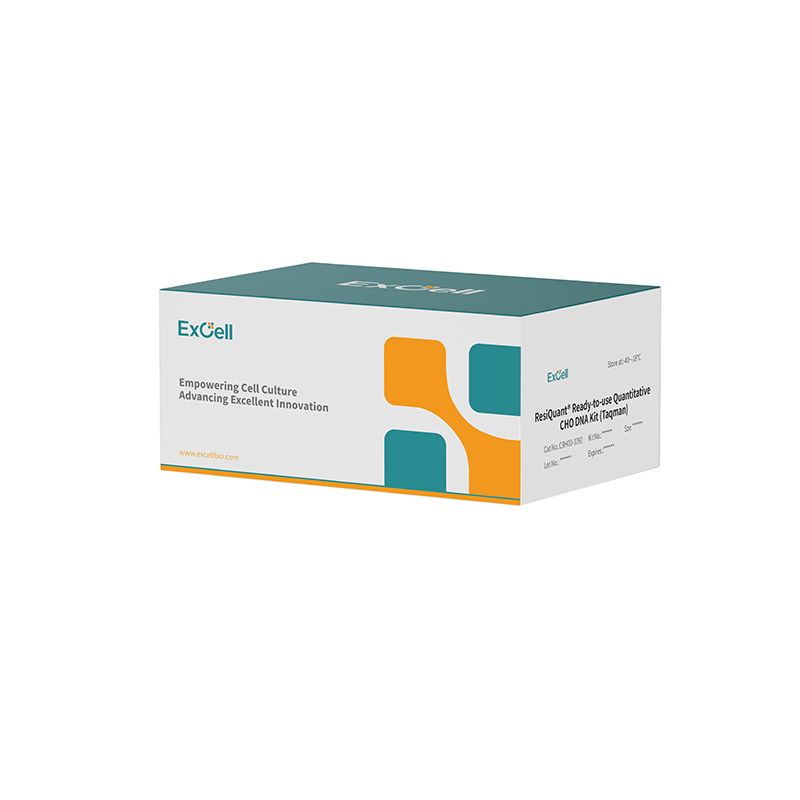
I truly believe in the potential of proactive engagement with new technologies. It’s an evolving challenge that we, as researchers, must embrace. So if you’re ready to enhance your lab’s capabilities, check out ExCellBio for innovative solutions around detecting residual protein A. We’ve all got this together!