
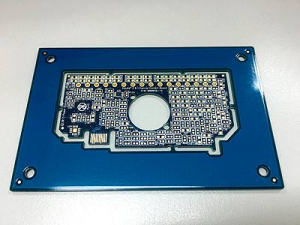
When I first started working on electronics projects, one of the biggest hurdles I faced was the slow pace of prototyping. Waiting weeks for printed circuit boards (PCBs) to arrive meant my product development timeline stretched out far longer than anticipated. That’s when I discovered the real advantage of quick turn PCB prototypes for faster design testing. These fast, reliable prototypes completely transformed how I approach design iteration and product development.
The Need for Speed in Product Development
In today’s competitive market, speed is everything. From consumer electronics to industrial applications, companies that can take an idea from concept to working product faster gain a significant edge. I’ve found that the ability to test and refine designs quickly is often the difference between meeting deadlines and getting stuck in an endless cycle of revisions.
Traditional PCB fabrication can take two to four weeks, and if a design flaw is discovered late, it can mean starting the process all over again. By contrast, quick turn PCB prototypes for rapid electronics validation can be manufactured and shipped within just a few days. For me, this meant that I could test new circuit designs almost immediately, identify flaws, and implement fixes without losing momentum.
How Quick Turn Prototypes Accelerate Design Iteration
One of the most valuable aspects of using fast PCB prototypes is the ability to iterate rapidly. When I receive a prototype within a short timeframe, I can:
- Test functionality early– I can ensure that circuits work as intended before committing to mass production.
- Identify design flaws quickly– Minor layout mistakes or component placement issues are easier to catch and fix early.
- Validate manufacturability– Prototyping allows me to verify that the PCB design can be efficiently produced at scale.
For example, in a recent project involving an 8-layer PCB, I was able to test signal integrity and thermal performance using a quick-turn PCB prototype. Because the prototype arrived quickly, I could make small adjustments without derailing my development schedule.
Reducing Costs While Improving Quality
I used to think that speeding up development always meant higher costs. In reality, fast prototyping often saves money in the long run. Waiting weeks for traditional PCBs can result in costly delays and rushed fixes. With quick-turn prototypes, I could identify errors early, preventing expensive mistakes during mass production.
Furthermore, the ability to test multiple design iterations allowed me to optimize the board layout for performance and reliability. This meant that when I finally moved to full-scale production, I had a product that worked as intended, avoiding costly re-spins or warranty issues.
Integrating Prototyping into Agile Development
I’ve learned that integrating quick-turn PCB prototyping into agile product development is a game-changer. Instead of waiting for months to finalize a design, I could take a modular approach: test one section, tweak it, then move to the next. This incremental process not only shortened the overall timeline but also improved the quality of the final product.
Agile electronics development relies heavily on feedback loops. Rapid prototyping enables those loops by providing tangible, testable boards that can be evaluated immediately. This hands-on feedback allows me to make data-driven decisions rather than relying solely on simulations or theoretical designs.
Collaborating with Manufacturers
Another advantage I noticed is that quick-turn prototyping improves collaboration with PCB manufacturers. When I place an order for a fast prototype, the manufacturer often provides suggestions or flags potential issues early. This proactive communication ensures that designs are production-ready and reduces the likelihood of surprises during the manufacturing stage.
If you’re considering accelerating your project, it’s worth noting that many manufacturers, including PCB Togo’s quick-turn prototyping service, specialize in fast-turn PCB solutions. Their expertise and fast turnaround helped me keep my development cycle tight and efficient.
Making Informed Design Decisions
The ultimate benefit of quick-turn prototyping is confidence. When I test a prototype in real-world conditions, I gain insights that simulations cannot provide. I can assess signal integrity, thermal performance, and even mechanical fit before committing to a full production run. This hands-on evaluation allows me to make informed design decisions, resulting in a product that is robust, reliable, and ready for market.
Additionally, by using quick-turn PCB prototypes for advanced designs like multi-layer boards, I was able to experiment with new materials, finishes, and assembly methods. This flexibility opened the door to innovation, allowing me to push the limits of what my products could achieve.
Getting Started
If you’re ready to accelerate your product development, taking advantage of fast 8-layer PCB prototypes with immersion gold finish is a practical first step. From my experience, choosing a reliable manufacturer and clearly defining your requirements are essential. Once you have that in place, you can start experimenting, testing, and refining designs faster than ever before.
For anyone interested in exploring this approach, don’t hesitate to contact PCB Togo for expert prototyping guidance. Partnering with the right prototyping service can drastically reduce development time and bring your ideas to life more efficiently.
Conclusion
In my journey through electronics development, I’ve realized that speed, iteration, and informed decision-making are crucial for success. Quick-turn PCB prototypes offer all three. By shortening turnaround times, enabling rapid testing, and improving collaboration with manufacturers, these prototypes accelerate product development while reducing risk and cost.
If you’re looking to streamline your development process and stay ahead in a competitive market, integrating quick-turn prototyping into your workflow is no longer optional—it’s essential. For multi-layer, high-performance boards, leveraging services like quick turn PCB prototypes for accelerated product testing can be the difference between a successful product launch and prolonged delays.