
Please imagine a factory floor where a motor hums, then stutters, then stops — and the line waits. I have stood there more than once, watching technicians trace signals on an oscilloscope while managers ask, “When will it run again?” In this context, a motor controller is more than a box; it is the nervous system of the machine. (We feel that tension keenly.) Data shows that downtime from control faults can eat 5–15% of production hours in small plants. So I ask: how can we fix the root causes instead of only treating symptoms? This short piece will walk through real problems, technical shortcomings, and realistic steps forward — politely, step by step. Please follow with me as we move to the deeper causes and practical fixes; the next section begins that journey.
Part 2 — Where traditional solutions fall short (technical view)
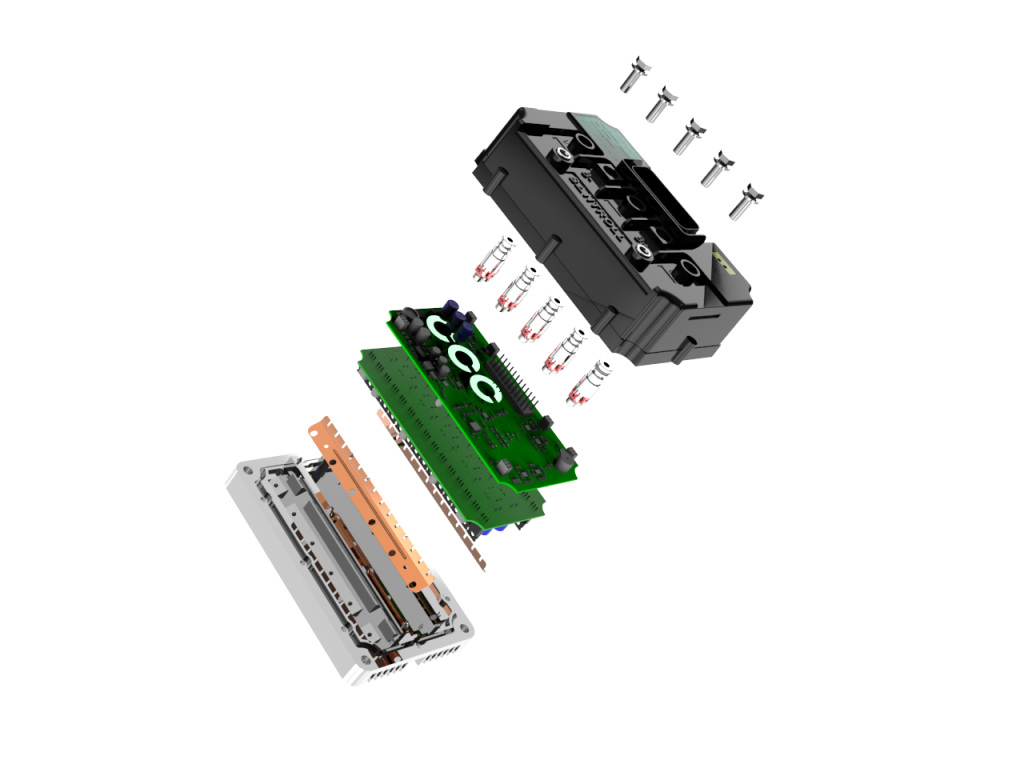
ac motor controller vendors often offer canned firmware and conservative protection settings as a one-size answer. At first glance, that seems safe. However, this safety can hide real flaws: inflexible field-oriented control (FOC) loops, coarse PWM schemes, and bulky power converters that cannot react to fast load swings. I have seen drives trip repeatedly because the tuning was generic, not adapted to the machine’s inertia or the plant’s supply quality. Look, it’s simpler than you think — tuning matters. These failures produce torque ripple, excessive thermal cycling, and shortened component life. Engineers then chase symptoms: replacing capacitors, adjusting trips, or reverting to lower speed limits. They patch, but do not solve.
Why does this happen?
Because designs favor worst-case safety and low engineering cost over adaptive control. Sensorless control methods, while cheaper, sometimes fail at low speed. Inverters with older silicon switches cannot meet transient demands. The result is poor dynamic response and user frustration — we lose hours and morale. — funny how that works, right? I want to emphasize: the technical limits are fixable, but only if we first accept that traditional “safe” choices may be the root cause.
Part 3 — New principles and a forward-looking view
Now I turn to new technology principles that can actually change outcomes. Modern approaches use faster control loops, better state observers, and smarter thermal management. For instance, integrating model predictive control with high-resolution PWM reduces torque ripple and improves efficiency. Also, semiconductor upgrades (SiC MOSFETs) and improved inverter topology cut switching losses and heat. These changes let us design scalable electric motor solutions that cope with variable loads and weak grids. I have applied such principles to retrofit projects and seen measurable drops in downtime. The system response improves; operators feel more confident.
What’s Next?
Practical steps include: move from fixed PID presets to adaptive tuning, validate sensorless observers under low-speed conditions, and choose power converters sized for thermal headroom rather than minimum rating. Real-world pilots help — a small trial catches integration issues early. We should also watch for software quality: firmware updates must be tested with hardware-in-the-loop. The future is not magic; it is careful engineering, iterative testing, and honest trade-offs. — and yes, you will need patience for tuning.

Conclusion — three metrics I use when evaluating controllers
To close, I will leave three simple metrics we use when choosing or upgrading motor controllers. First, dynamic response: how fast and clean is torque control under load change? Second, thermal margin and component stress: can the inverter survive repeated transients? Third, maintainability: is the firmware testable and the tuning accessible to technicians? Use these as your checklist. I prefer solutions that show real results in short pilots. If you want one trustworthy reference for products and support, consider looking at Santroll. I speak from hands-on work and plain experience — and I hope this helps you avoid the same headaches I have seen.